
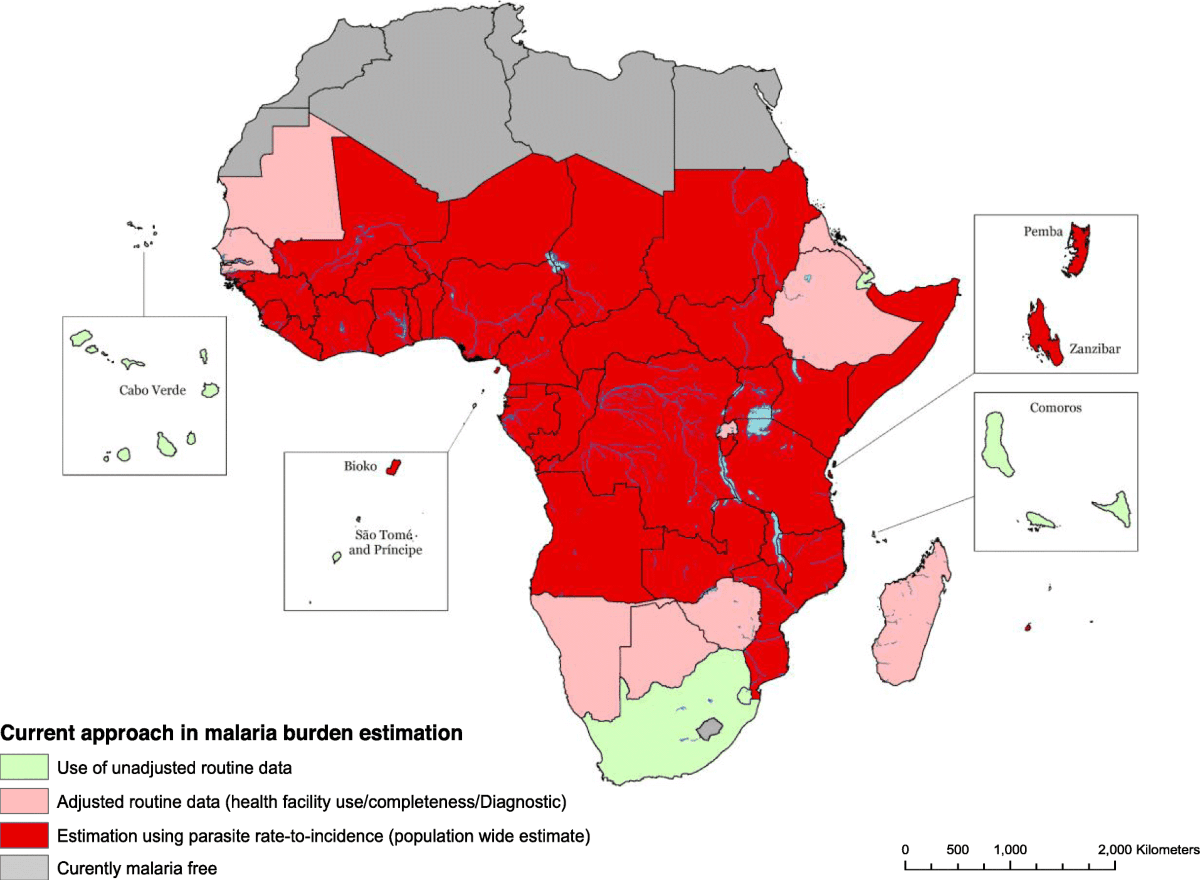
Malaria in Africa
Understanding the burden, challenges, and the MAMODEX research agenda that links analytics to action.
94%
Global cases in Africa
96%
Global deaths in Africa
~80%
Deaths in children <5y
$12B
Estimated annual cost
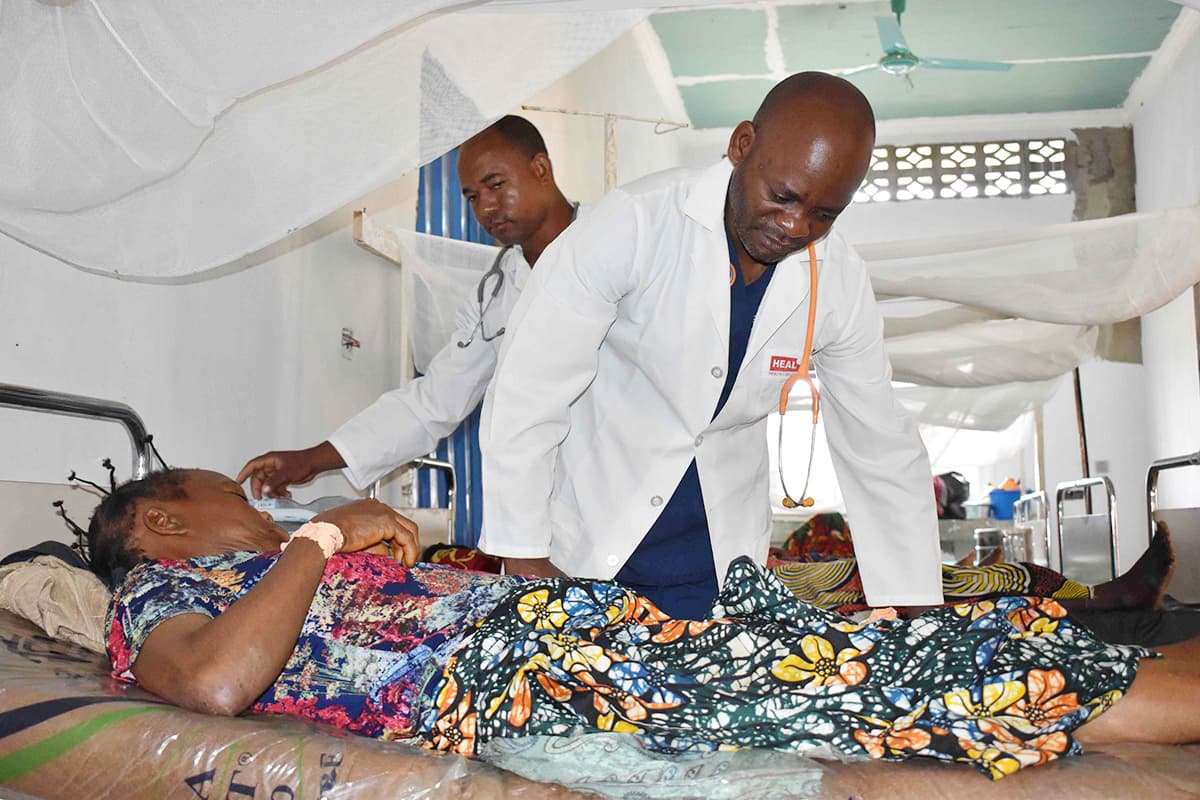
1) Disease Burden
Malaria remains a leading public-health challenge in Africa, with disproportionate impact on young children.
- 94% of global malaria cases (WHO 2022)
- 96% of global malaria deaths
- ≈80% of deaths in children under 5
- ≈$12B estimated annual economic burden
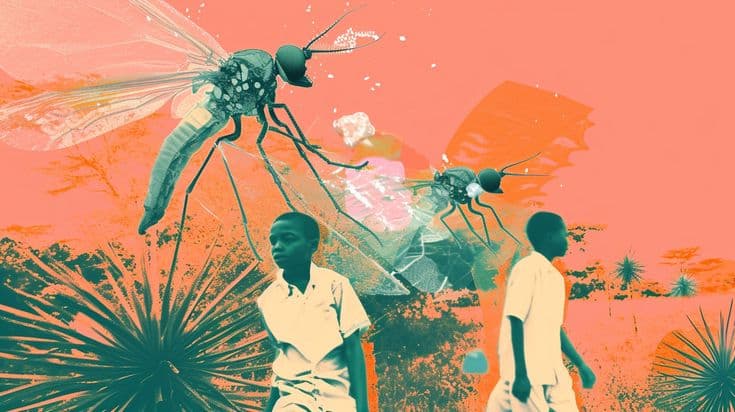
2) Key Challenges
Emerging resistance, climatic variability, and health-system constraints threaten progress.
- Insecticide resistance in Anopheles vectors
- Antimalarial drug resistance (artemisinin partner drugs)
- Climate change expanding/vectorial capacity
- Rural access gaps & stock-outs
- Underfunded routine surveillance
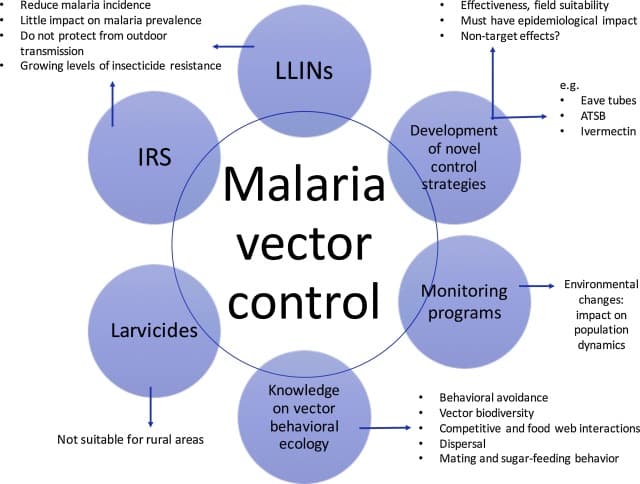
3) Current Interventions
Proven tools remain foundational, and optimized coverage/timing drives most near-term gains.
- ITNs/LLINs & IRS for vector control
- SMC in Sahel sub-region
- RDTs for rapid case confirmation
- ACTs as first-line therapy
- Targeted MDA/MTaT in select contexts

4) Research Priorities
LINK focuses on decision-grade analytics co-created with NMCPs to guide timely action.
- Next-gen vector control & resistance management
- Therapeutic efficacy monitoring (TEM) & genomics
- Vaccine implementation research (e.g., R21/RTS,S)
- Climate/entomology modeling & early-warning
- Strengthening routine data systems & QA
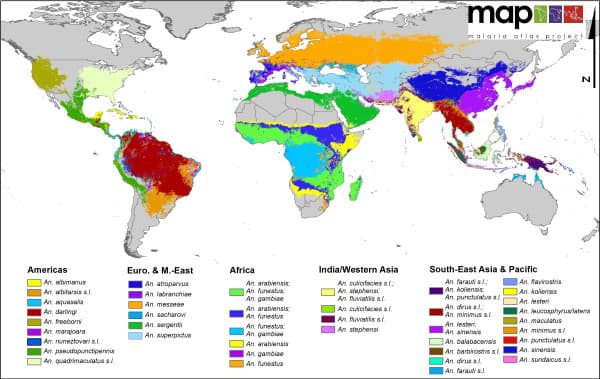
5) Regional Variations
Transmission is heterogeneous—program design must reflect local ecology and health-system realities.
- West Africa: High perennial transmission; SMC backbone
- East Africa: Seasonal with altitude/rainfall gradients
- Southern Africa: Focal/near-elimination pockets
- Central Africa: Forest-linked transmission & access barriers
Turn evidence into action
Explore our modeling hub and country dashboards to prioritize interventions and monitor impact.